Global Japanese Sushi Rolls
Highlighted under: Travel Food | Recipes From Afar
I love making Global Japanese Sushi Rolls at home because they offer endless possibilities for flavor combinations. Whether I’m craving something traditional or want to experiment with different ingredients, these rolls never disappoint. Rolling sushi is a fun activity that brings family and friends together, and I enjoy sharing my tips on how to create the perfect sushi rice. With practice, this dish has become a staple in my kitchen, and it’s a great way to impress guests with my culinary skills.
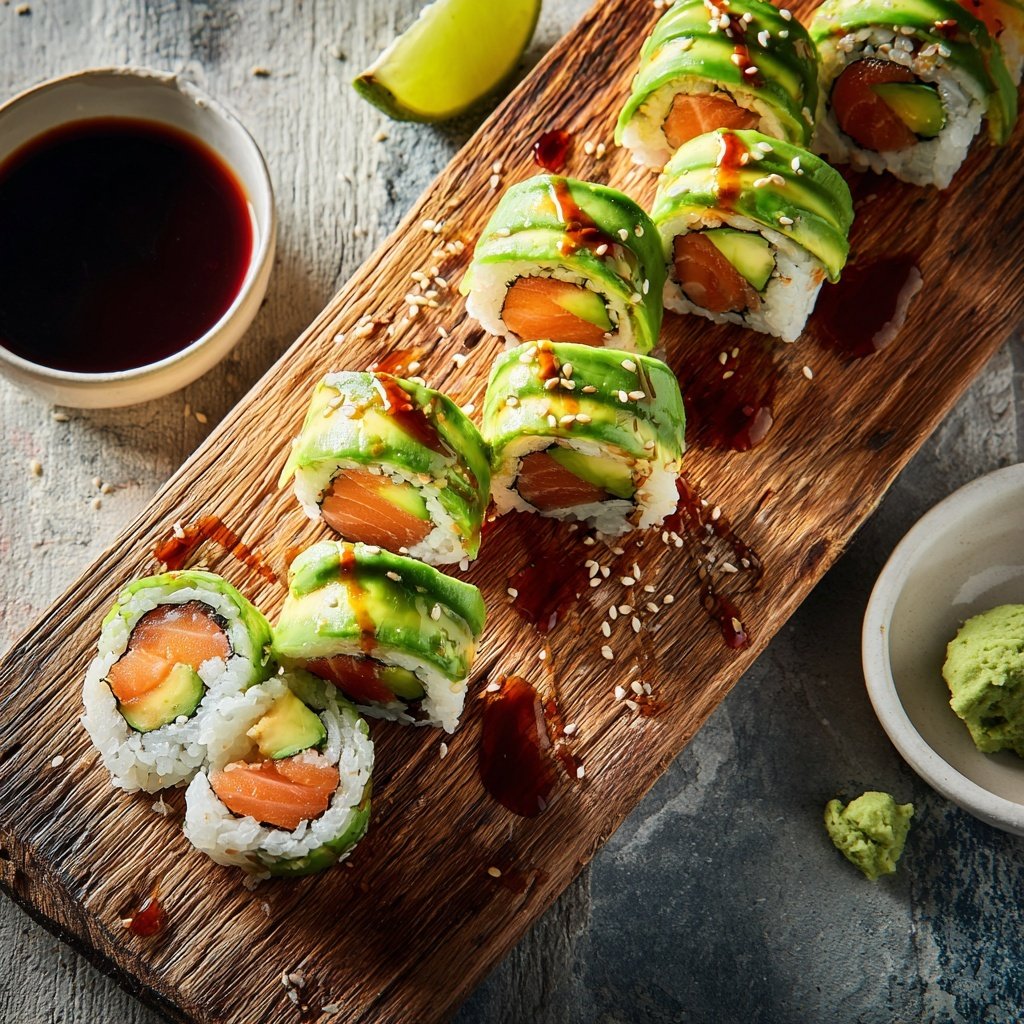
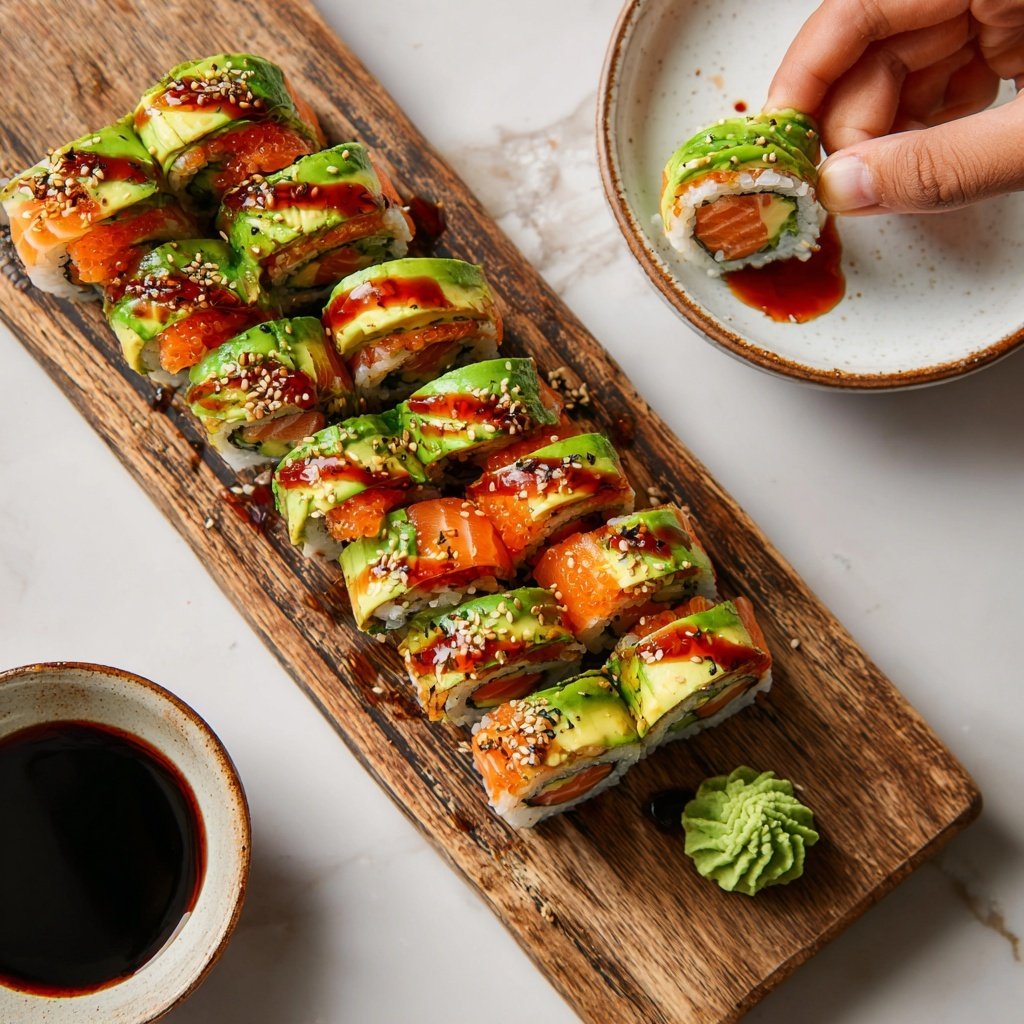
Creating Global Japanese Sushi Rolls has been a culinary adventure for me. I started with traditional fillings but soon realized that I could incorporate local flavors for a unique twist. One time, I used smoked salmon paired with avocado and cream cheese, and it was a hit with my family. I recommend having all your ingredients prepped and ready before you begin rolling to make the process smoother.
Each roll can be customized to reflect personal tastes, which makes it a versatile dish. I suggest experimenting with different sauces, like a spicy mayo or soy glaze, to elevate your rolls. The balance of textures from the nori, rice, and fillings creates a delightful experience with every bite.
Why You Will Love This Recipe
- Endless flavor combinations to cater to every palate
- A fun and interactive dish that brings people together
- Healthier than store-bought options with fresh ingredients
- A chance to be creative in the kitchen
Mastering Sushi Rice
The foundation of a great sushi roll lies in perfectly cooked sushi rice. Rinse the rice thoroughly to remove excess starch, which can make it gummy. When cooking, aim for a slightly sticky texture that still maintains individuality among the grains. A rice cooker is preferable because it ensures even cooking. If you don’t have one, use a saucepan and monitor it closely, adjusting heat as necessary to avoid burning.
After cooking, let the rice cool slightly before folding in the vinegar mixture. This step is crucial for achieving that glossy finish that sushi rice is known for. Incorporating the dressing while the rice is still warm allows it to absorb the flavors better, enhancing the overall taste of your rolls. Be gentle during this step to prevent breaking the grains.
Diverse Filling Options
While the standard fillings like avocado and cucumber are classic, don't shy away from experimenting with other ingredients. Spicy tuna or tempura shrimp can add a delightful kick to your rolls. If you prefer vegetarian options, consider using pickled radish or marinated tofu, which can introduce unique flavors and textures. The key is to balance flavors and ensure that your fillings complement the sushi rice.
For those looking to include something extra, think about using flavored mayonnaise or a touch of sesame oil for seasoning. When selecting your fillings, consider their moisture content. Try to avoid ingredients that are too wet as they can make the rolls difficult to manage. It's all about achieving harmony within each bite!
Ingredients
Gather the following ingredients before you start making your sushi rolls:
Sushi Rice and Fillings
- 2 cups sushi rice
- 2 1/2 cups water
- 1/3 cup rice vinegar
- 1 tablespoon sugar
- 1 teaspoon salt
- Nori sheets
- 1 cucumber, julienned
- 1 avocado, sliced
- 4 oz crab meat or imitation crab
- Soy sauce for serving
Feel free to customize the fillings based on your preferences!
Instructions
Follow these steps to create perfect sushi rolls:
Prepare the Sushi Rice
Rinse sushi rice under cold water until the water runs clear. Combine rinsed rice and water in a rice cooker. Once cooked, mix rice vinegar, sugar, and salt in a small bowl. Gently fold this mixture into the rice after it has cooled slightly.
Assemble the Rolls
Lay a nori sheet on a bamboo mat. With wet hands, spread a thin layer of sushi rice over the nori, leaving a border at the top. Add your choice of fillings in a line at the bottom and roll tightly using the mat.
Cut the Rolls
Using a sharp, wet knife, slice each roll into 6-8 pieces, cleaning the knife between cuts for neat slices.
Serve and Enjoy
Serve the sushi rolls with soy sauce and wasabi. Enjoy your homemade creation!
Remember to practice rolling for perfect sushi every time!
Pro Tips
- Always keep your hands wet while handling sushi rice to prevent sticking. Feel free to explore different fillings like tempura shrimp or grilled vegetables!
Rolling Technique
The technique of rolling sushi is more an art than a science, and mastering it takes practice. Make sure to keep your hands moist when handling the rice to prevent sticking. Start rolling from the bottom of the nori, using the bamboo mat to guide your roll. Apply gentle pressure and tuck the fillings tightly, but don’t squeeze too hard to avoid squishing the ingredients out. With practice, you’ll develop a feel for how tight to roll.
If you find the nori tough to manage, lightly toasting it over a flame for a few seconds can enhance its flexibility and flavor. Be cautious, as you only want it to become pliable, not burnt. A perfect roll should hold together well when sliced but still offer a satisfying texture in every bite.
Serving Suggestions
When serving your sushi rolls, presentation plays a key role. Consider slicing your rolls at a diagonal for a more appealing look. Pair the rolls with small bowls of soy sauce, a dollop of wasabi, and a side of pickled ginger to cleanse the palate between bites. Arranging the sushi on a decorative platter adds an inviting touch that impresses guests.
For a complete meal, consider serving your sushi with a simple miso soup or a refreshing seaweed salad. This not only rounds out the dining experience but also showcases the culinary artistry involved in Japanese cuisine. The contrast of textures and flavors can elevate your homemade sushi night!
Questions About Recipes
→ What type of rice is best for sushi?
Sushi rice, or short-grain Japanese rice, is ideal as it becomes sticky when cooked.
→ Can I use cooked ingredients in sushi?
Absolutely! You can use cooked seafood, vegetables, or even leftovers for your sushi rolls.
→ How do I store leftover sushi?
Store leftover sushi in an airtight container in the fridge for up to 24 hours. It’s best enjoyed fresh.
→ Is sushi gluten-free?
Sushi can be gluten-free, but be cautious with soy sauce as it typically contains gluten unless specified as gluten-free.
Global Japanese Sushi Rolls
Created by: The Chefliurecipes Team
Recipe Type: Travel Food | Recipes From Afar
Skill Level: Intermediate
Final Quantity: 4 rolls
What You'll Need
Sushi Rice and Fillings
- 2 cups sushi rice
- 2 1/2 cups water
- 1/3 cup rice vinegar
- 1 tablespoon sugar
- 1 teaspoon salt
- Nori sheets
- 1 cucumber, julienned
- 1 avocado, sliced
- 4 oz crab meat or imitation crab
- Soy sauce for serving
How-To Steps
Rinse sushi rice under cold water until the water runs clear. Combine rinsed rice and water in a rice cooker. Once cooked, mix rice vinegar, sugar, and salt in a small bowl. Gently fold this mixture into the rice after it has cooled slightly.
Lay a nori sheet on a bamboo mat. With wet hands, spread a thin layer of sushi rice over the nori, leaving a border at the top. Add your choice of fillings in a line at the bottom and roll tightly using the mat.
Using a sharp, wet knife, slice each roll into 6-8 pieces, cleaning the knife between cuts for neat slices.
Serve the sushi rolls with soy sauce and wasabi. Enjoy your homemade creation!
Extra Tips
- Always keep your hands wet while handling sushi rice to prevent sticking. Feel free to explore different fillings like tempura shrimp or grilled vegetables!
Nutritional Breakdown (Per Serving)
- Calories: 320 kcal
- Total Fat: 6g
- Saturated Fat: 1g
- Cholesterol: 30mg
- Sodium: 230mg
- Total Carbohydrates: 62g
- Dietary Fiber: 3g
- Sugars: 2g
- Protein: 7g