Elderflower Citrus Spring Cake
Highlighted under: Oven Treats
I've always loved springtime for its fresh blooms and bright flavors, and this Elderflower Citrus Spring Cake perfectly embodies that spirit. The delicate floral notes of elderflower combined with the zest of citrus create a cake that's light yet bursting with flavor. I love serving it at gatherings; it never fails to impress. With its airy texture and a subtle sweetness, this cake is a delightful way to celebrate the season's best ingredients—making it a true seasonal favorite in my kitchen.
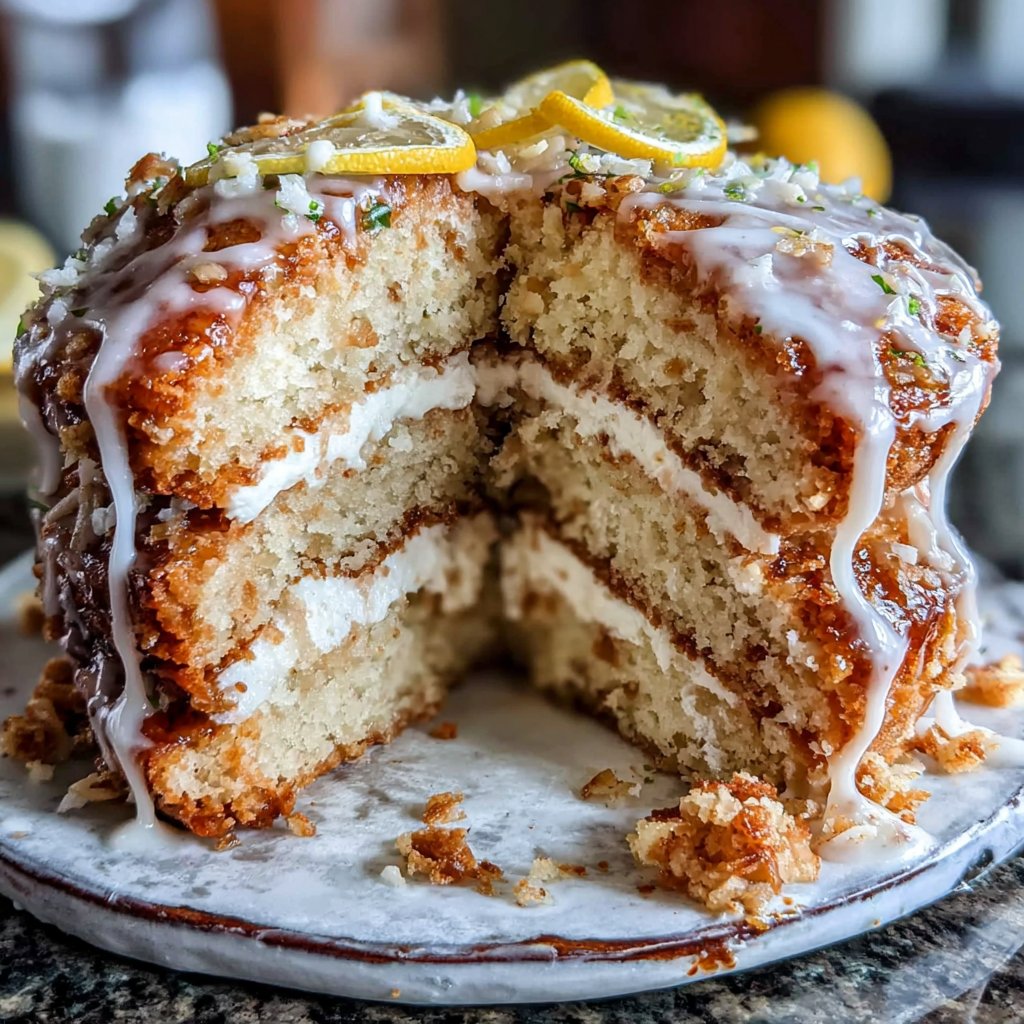
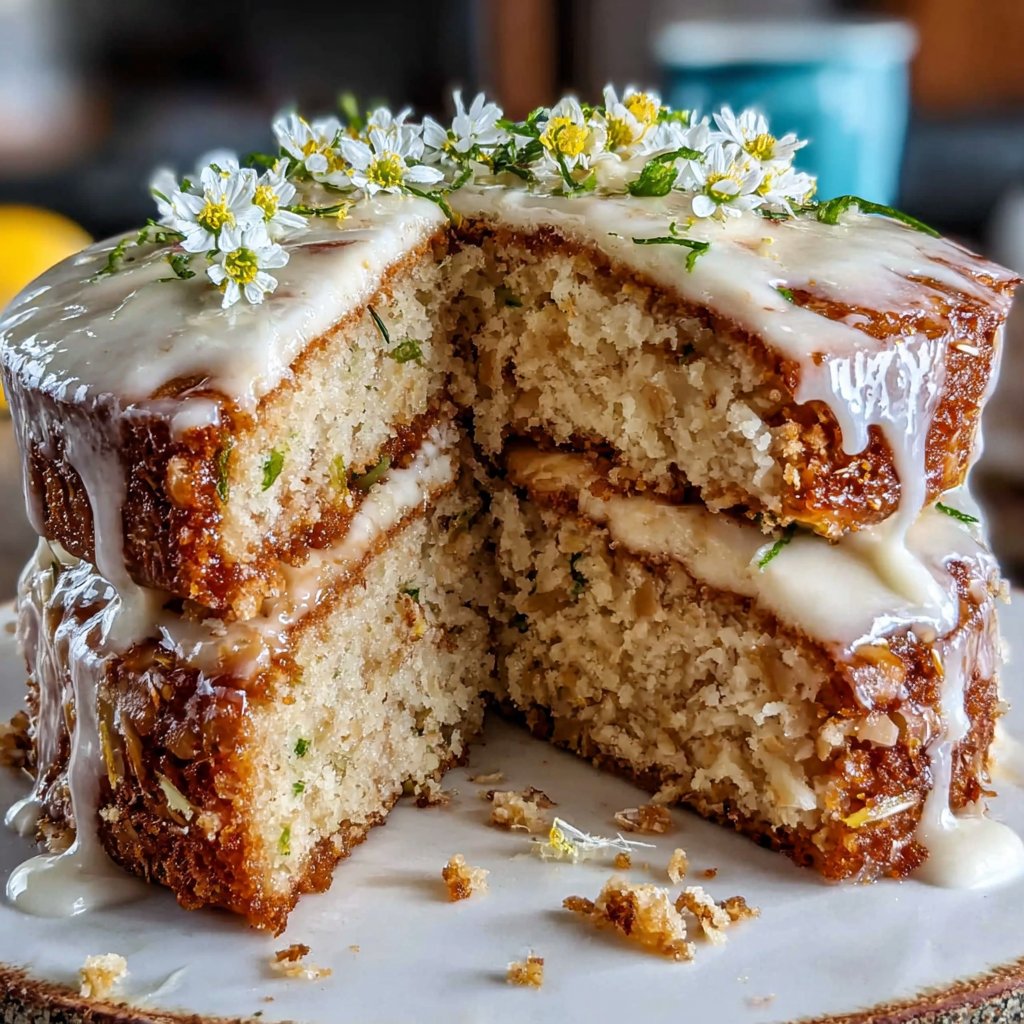
When I first decided to make an Elderflower Citrus Spring Cake, I was inspired by the beauty of blooming flowers and fresh citrus fruits. The combination of elderflower syrup and lemon juice gives a refreshing flavor that brightens up any occasion. I found that using a mix of both zests creates a more complex flavor profile, giving each bite a delightful surprise.
To ensure my cake stays moist, I incorporate yogurt into the batter. This not only adds creaminess but also enhances the citrus notes, resulting in a cake that's not just visually appealing but also incredibly delicious. I love serving it with a light dusting of powdered sugar for a touch of elegance.
Why You Will Love This Cake
- Delicate floral flavor paired with zesty citrus for a refreshing taste
- Light and airy texture that melts in your mouth
- A stunning centerpiece for spring celebrations and gatherings
Understanding the Ingredients
Each ingredient in this Elderflower Citrus Spring Cake plays a crucial role in achieving its light and refreshing character. The combination of unsalted butter and granulated sugar is essential for creating a fluffy texture, which forms the cake's foundation. Be sure to cream the butter and sugar until the mixture is pale and fluffy; this process incorporates air and leads to a cake that rises beautifully during baking.
The natural tanginess of plain yogurt enhances moisture and adds a soft crumb while also balancing out the sweetness. You can substitute yogurt with sour cream if needed, but be mindful that sour cream is tangier and can slightly alter the flavor profile. Additionally, using freshly squeezed lemon and orange juice, along with their zests, injects vibrant flavors that highlight the elderflower syrup, creating a harmonious citrus blend.
Perfecting Your Technique
When mixing the batter, take care not to overmix after adding the dry ingredients. Overmixing can result in a denser cake due to the development of gluten. Instead, fold the dry mixture gently into the wet ingredients until just combined; a few lumps are perfectly acceptable. This gentle approach helps maintain that light, airy texture that makes this cake so delightful.
For an even baking result, ensure your oven is properly preheated to 350°F (175°C) before placing the cake inside. An oven thermometer is a helpful tool to verify accuracy, as many ovens can run hotter or cooler than displayed. When the cake is done, it should have a lightly golden top and spring back when gently pressed. Letting it cool in the pan for a bit before transferring it helps prevent cracking and sticking.
Serving and Storing Tips
Allow the cake to cool completely on a wire rack to prevent it from becoming soggy. If you're looking to make this cake ahead of time, it can be wrapped tightly in plastic wrap and stored at room temperature for up to three days. For longer storage, consider freezing the cake. Slice it, wrap individual pieces in plastic, then in foil to prevent freezer burn, and it can last for up to three months in the freezer.
When serving, consider pairing this cake with fresh berries or a dollop of whipped cream to enhance its flavor. You can also experiment by adding a layer of lemon curd or orange marmalade between the cake layers for an extra citrus kick. These variations can elevate your cake to new heights and impress your guests even more.
Ingredients
Ingredients
Cake Ingredients
- 2 cups all-purpose flour
- 1 1/2 teaspoons baking powder
- 1/2 teaspoon baking soda
- 1/4 teaspoon salt
- 1/2 cup unsalted butter, softened
- 1 cup granulated sugar
- 3 large eggs
- 1 cup plain yogurt
- 1/4 cup elderflower syrup
- Zest of 1 lemon
- Zest of 1 orange
- 1/4 cup fresh lemon juice
- 1/4 cup fresh orange juice
Icing Ingredients
- 1 cup powdered sugar
- 2-3 tablespoons elderflower syrup
- Zest of 1 lemon for garnish
Instructions
Steps
Prepare the Cake Batter
Preheat your oven to 350°F (175°C). In a bowl, whisk together the flour, baking powder, baking soda, and salt. In a separate bowl, cream the softened butter and granulated sugar until light and fluffy. Add eggs one at a time, beating well after each addition. Mix in the yogurt, elderflower syrup, lemon zest, orange zest, lemon juice, and orange juice until fully combined.
Combine and Bake
Gradually add the dry ingredients into the wet mixture, folding until just combined. Pour the cake batter into a greased 9-inch round cake pan. Bake for 40-45 minutes, or until a toothpick inserted in the center comes out clean. Let the cake cool in the pan for 10 minutes before transferring it to a wire rack to cool completely.
Make the Icing
In a mixing bowl, combine the powdered sugar with elderflower syrup, adjusting the amount of syrup until you reach your desired consistency. Once the cake is cooled, drizzle the icing over the top and sprinkle with lemon zest for decoration.
Pro Tips
- For an extra pop of flavor, consider adding a splash of limoncello to the icing. Additionally, you can decorate with edible flowers to further enhance the cake's springtime appeal.
Troubleshooting Common Issues
If your cake does not rise as expected, it may be due to expired baking powder or baking soda. Make sure to check the expiration dates before you start baking. Additionally, if your mixture seems too thick, adjusting with a tablespoon of milk can help achieve the perfect batter consistency, allowing it to bake evenly.
Should the cake come out too dense, double-check your mixing technique. Always ensure the butter and sugars are creamed adequately and that you are folding the dry ingredients in gently. This will help maintain that desirable airy texture.
Flavor Enhancements
To elevate the floral notes of this cake, consider infusing the butter with dried edible flowers, like elderflower or lavender, before creaming it with sugar. Simply melt the butter, let it cool, and steep the flowers for about 30 minutes, then strain before using. This method amplifies the cake's aroma and taste, making each bite even more memorable.
If you're looking for unique ways to showcase the cake at gatherings, think about creating individual mini cakes or cupcakes rather than a single large cake. This not only adds a personal touch to each serving but also allows for fun decorating options, such as adding candied citrus slices or edible flowers on top.
Questions About Recipes
→ Can I use bottled lemon and orange juice instead of fresh?
While fresh juice is recommended for the best flavor, you can use bottled juice in a pinch.
→ How can I store leftover cake?
Store the cake in an airtight container at room temperature for up to 3 days, or refrigerate for longer freshness.
→ Can I freeze the cake?
Yes, you can freeze the cake! Wrap it tightly in plastic wrap and place it in an airtight container. It can last up to 3 months.
→ What can I substitute for elderflower syrup?
If you can't find elderflower syrup, try using a mix of honey and a splash of floral extract for a similar taste.
Elderflower Citrus Spring Cake
Created by: The Chefliurecipes Team
Recipe Type: Oven Treats
Skill Level: Intermediate
Final Quantity: 12 servings
What You'll Need
Cake Ingredients
- 2 cups all-purpose flour
- 1 1/2 teaspoons baking powder
- 1/2 teaspoon baking soda
- 1/4 teaspoon salt
- 1/2 cup unsalted butter, softened
- 1 cup granulated sugar
- 3 large eggs
- 1 cup plain yogurt
- 1/4 cup elderflower syrup
- Zest of 1 lemon
- Zest of 1 orange
- 1/4 cup fresh lemon juice
- 1/4 cup fresh orange juice
Icing Ingredients
- 1 cup powdered sugar
- 2-3 tablespoons elderflower syrup
- Zest of 1 lemon for garnish
How-To Steps
Preheat your oven to 350°F (175°C). In a bowl, whisk together the flour, baking powder, baking soda, and salt. In a separate bowl, cream the softened butter and granulated sugar until light and fluffy. Add eggs one at a time, beating well after each addition. Mix in the yogurt, elderflower syrup, lemon zest, orange zest, lemon juice, and orange juice until fully combined.
Gradually add the dry ingredients into the wet mixture, folding until just combined. Pour the cake batter into a greased 9-inch round cake pan. Bake for 40-45 minutes, or until a toothpick inserted in the center comes out clean. Let the cake cool in the pan for 10 minutes before transferring it to a wire rack to cool completely.
In a mixing bowl, combine the powdered sugar with elderflower syrup, adjusting the amount of syrup until you reach your desired consistency. Once the cake is cooled, drizzle the icing over the top and sprinkle with lemon zest for decoration.
Extra Tips
- For an extra pop of flavor, consider adding a splash of limoncello to the icing. Additionally, you can decorate with edible flowers to further enhance the cake's springtime appeal.
Nutritional Breakdown (Per Serving)
- Calories: 350 kcal
- Total Fat: 15g
- Saturated Fat: 9g
- Cholesterol: 85mg
- Sodium: 180mg
- Total Carbohydrates: 48g
- Dietary Fiber: 1g
- Sugars: 30g
- Protein: 4g